What's the big deal with attic insulation anyway? Isn't it just fluff?
Look, I get it. Insulation isn't exactly the most exciting thing in your house. You don't see it, you certainly don't show it off. But honestly? It's one of your home's unsung heroes, especially here in Round Rock. Just think about those brutal summers we endure, or even the few weeks of freezing temperatures. Your attic insulation acts like a shield, keeping your comfy living space separate from that extreme outside air. Without good insulation, your AC and heater are basically fighting a losing battle, constantly trying to keep up. That means higher energy bills, less comfort for you, and more wear and tear on your HVAC system. So no, it's not just fluff; it's a really important part of your home's efficiency and your family's comfort.
How do I know if my attic insulation is even good enough?
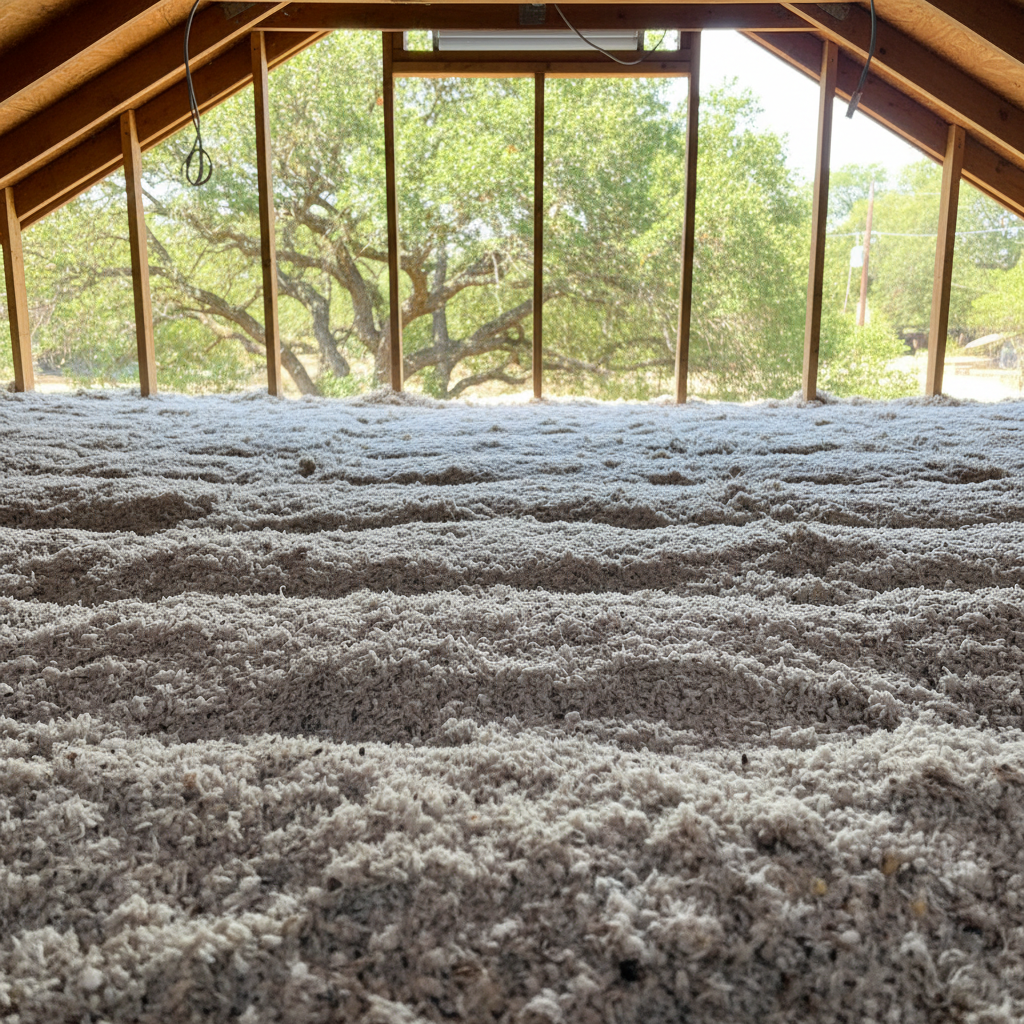
That's a fantastic question, and it's one we hear constantly. The simplest way to check is to head up there and take a peek yourself. Generally, you're looking for about 12 to 18 inches of insulation, though that can vary by type. If you can easily spot the top of your ceiling joists, you probably don't have enough. Another big clue? Your energy bills. If they're skyrocketing, especially in July or August, and your AC seems to run non-stop, weak insulation is a prime suspect. You might also notice some rooms are always hotter or colder than others, or that your upstairs is perpetually warmer than downstairs. If you're still not sure, just give us a call at Elite Insulation Company. We can do a quick inspection and tell you exactly what's going on up there.
What's the best type of insulation for a Round Rock home?
There isn't one single "best" type that works for every house, but for most homes around here, especially with our hot, humid climate, blown-in fiberglass or cellulose are usually fantastic choices. They really get into all the little nooks and crannies, creating a super effective thermal barrier. Spray foam is another excellent option, particularly if you're aiming for an incredibly tight seal and have the budget for it. It's truly great for cutting down on air leakage. Each type has its own ups and downs, things like cost, how much R-value you get per inch, and how well it handles moisture. What works for a 1980s ranch in Old Town Round Rock might be totally different from a brand new build in Teravista, you know? It truly depends on your specific home, your budget, and what you're trying to accomplish.
Will new insulation really save me money on my energy bills?
Absolutely, it will. This isn't just marketing talk; it's a proven fact. When your attic isn't insulated properly, heat just pours in during the summer and escapes in the winter. Your HVAC system then has to work overtime to compensate for it. By adding or upgrading your insulation, you're building a much more effective barrier. This means your AC and heater won't have to run nearly as much, saving you a good chunk of change on your monthly energy costs. Most homeowners see a noticeable difference pretty quickly. In fact, the savings can often pay for the insulation upgrade itself over just a few years.
How long does attic insulation last? Do I ever need to replace it?
Good quality insulation, when it's installed correctly, can easily last for decades. Blown-in fiberglass and cellulose, for example, often hold up for 20-30 years, sometimes even longer. But, some things can definitely degrade it. Water damage from a leaky roof is a big one; wet insulation loses its R-value and can even lead to mold. Pest infestations, maybe rats or raccoons, can compact it or use it for nesting, totally destroying its effectiveness. If your insulation is really old, compressed, damaged, or has been contaminated, then yes, you'll absolutely want to think about replacing it. It's not a "set it and forget it" kind of thing forever, but it's also not something you'll need to do every few years.
Can I just add more insulation on top of what's already there?
In many cases, yes, you can. We call this "topping off" or "insulation overlay." If your existing insulation is dry, clean, and not too damaged or compacted, adding more on top is a cost-effective way to boost your R-value. However, if the current insulation is wet, moldy, full of pests, or completely degraded, then you'll definitely want to remove it first. Just putting new insulation over damaged material won't fix the underlying problems — it could even make them worse. We always recommend a thorough inspection before you just start piling more on. You want to make sure you're building on a solid foundation, literally.