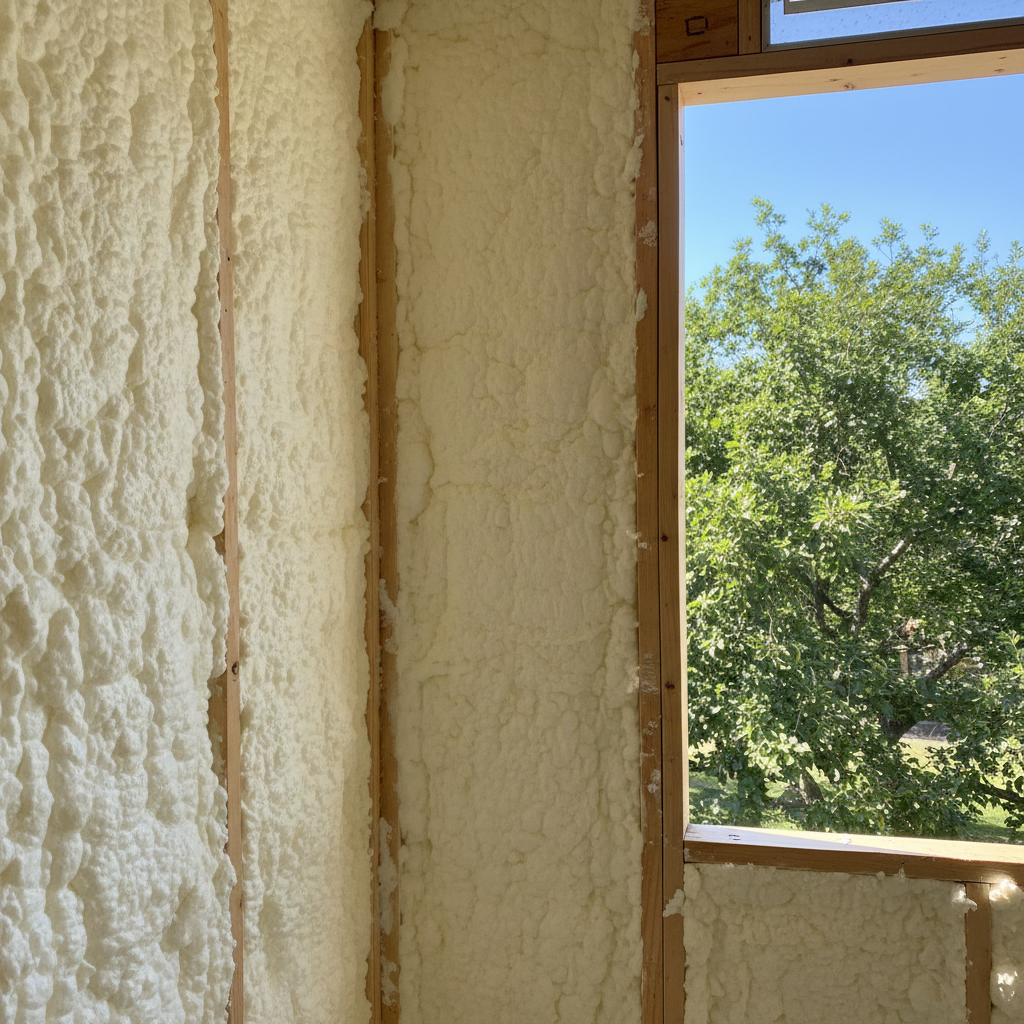
What exactly is open cell spray foam?
Alright, let's just cut to the chase. Open cell spray foam is a type of insulation that, once it cures, forms these tiny, interconnected cells – kind of like a sponge, but way denser. It's usually softer and more flexible than its closed cell cousin. When we spray it, it really expands quite a bit, filling all those little nooks and crannies in your walls or attic. We make it from two liquid parts that mix right at the spray gun, react, and then puff up. Honestly, it's pretty cool to watch.
How does open cell spray foam actually insulate my home?
Here's where things get interesting. Open cell foam insulates in a couple of big ways. First off, it creates an air seal. This is a huge deal, folks. Just think about all those tiny gaps around electrical outlets, plumbing pipes, or where your framing meets the sheathing. Traditional insulation, like fiberglass or cellulose, simply can't stop air movement the way spray foam can. Air leakage is a massive energy drain, especially here in Round Rock with our brutal summers and those occasional cold snaps. By stopping that air movement, you're preventing conditioned air from escaping and unconditioned air from sneaking in. Second, it adds R-value, which basically measures its resistance to heat flow. While its R-value per inch is lower than closed cell, its ability to create a complete air barrier often makes it incredibly effective for overall energy savings.
Is open cell spray foam a good choice for attics in Central Texas?
Absolutely, it's one of the best uses for it, especially right here in Central Texas. We see a lot of homes in areas like Forest Creek or Teravista with big, unconditioned attics that just bake in the summer heat. When we spray open cell foam on the underside of your roof deck, we're essentially bringing your attic space into your home's conditioned envelope. This means your HVAC ducts, which are often running through that attic, aren't fighting against 140-degree heat. You'll feel a huge difference in comfort, and your AC won't have to work nearly as hard. It also helps with sound dampening, which is a nice bonus if you're near a busy road or have a noisy neighborhood.
What about moisture? Will open cell foam cause problems in our humid climate?
This is a common concern, and it's a good question to ask, especially with all the humidity we get around here. Open cell foam is vapor permeable, meaning it can allow moisture vapor to pass through it. Now, some folks hear