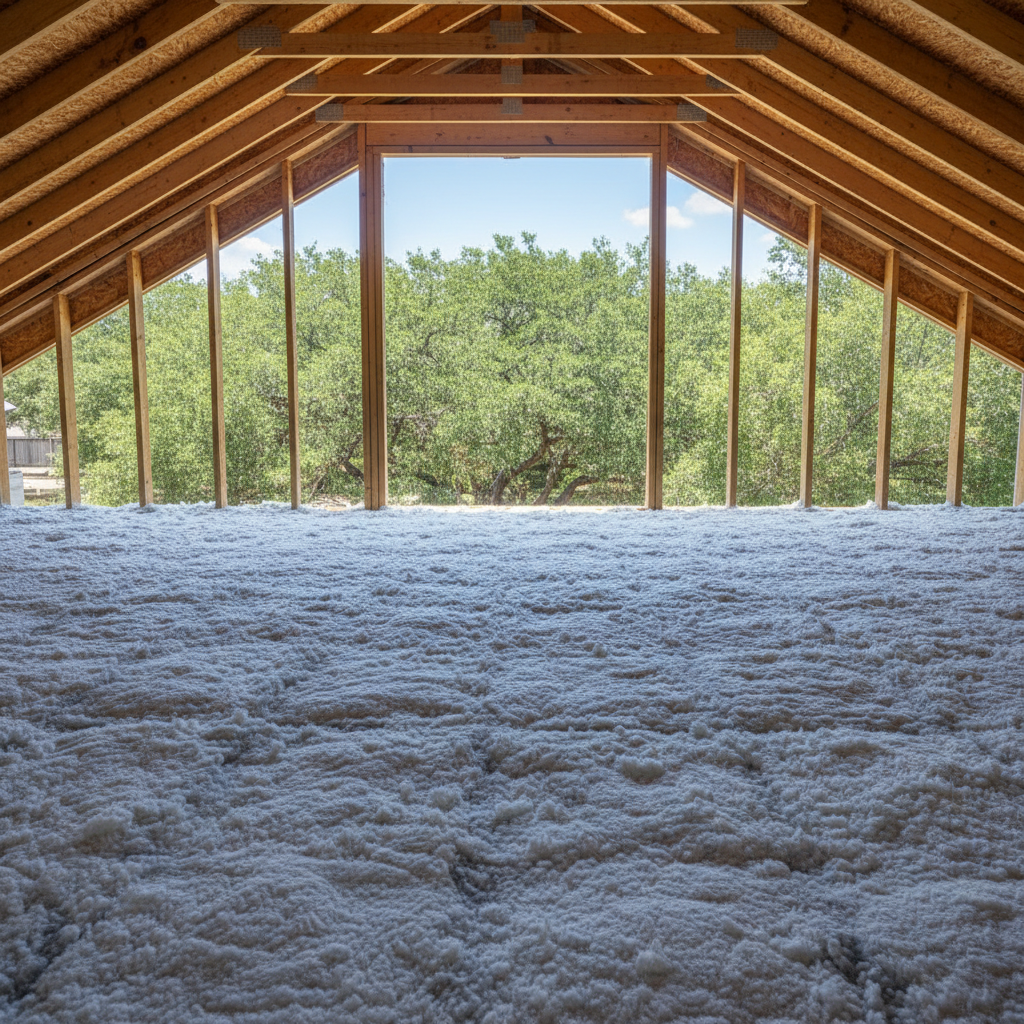
So, you've got blown-in insulation in your attic, right? That's a smart move for any homeowner in Round Rock, especially with our summers that just don't quit. But here's the thing: just because it's up there doing its job doesn't mean you can forget about it entirely. A little bit of attention can make sure that insulation keeps saving you money and keeping your home comfortable for decades. I've seen plenty of attics over the years, and I can tell you, taking care of your insulation isn't rocket science, but it is important.
Making Your Blown-In Insulation Last Longer
You want that insulation to last as long as possible, right? Of course, you do. The biggest thing you can do to extend its life is to protect it from moisture and pests. Our Texas humidity, especially after a good thunderstorm, can be a real enemy if it gets where it shouldn't. Make sure your roof is in good shape. I'm talking about no leaks, no missing shingles, and your gutters are clean and directing water away from your foundation. A small leak can soak insulation, compressing it and ruining its R-value in that spot. Once it's wet and compressed, it's pretty much useless, unfortunately.
Another big one is keeping critters out. Squirrels, rats, raccoons – they love a cozy attic. They'll nest in insulation, compact it, and even chew through it, creating pathways for air and making a mess. Check for any gaps around your eaves, vents, or where pipes and wires enter your home. Seal those up. It's a simple step that makes a huge difference. Don't give them an open invitation.
What Does Regular Maintenance Even Mean?
Honestly, 'regular maintenance' for blown-in insulation isn't a huge chore. You're not going to be up there vacuuming it or anything. What you *should* do is a quick visual inspection once or twice a year. I usually recommend doing it in the spring before it gets too hot, and maybe again in the fall.
- Look for uneven spots: Has the insulation settled significantly in one area? Is it matted down? This could point to a problem like a leak or animal activity.
- Check around vents and access points: Sometimes insulation can get pushed aside or disturbed around attic access panels, recessed lighting, or exhaust fan vents. Make sure it's still covering these areas evenly.
- Scan for signs of pests: Look for droppings, nests, or tunnels in the insulation. If you see any, well, you've got uninvited guests.
- Inspect for moisture: Are there any dark stains on the insulation or the wood joists? That's a surefire sign of a water leak.
And here's a big one for Round Rock folks: attic ventilation. Good ventilation helps manage heat and moisture. Make sure your soffit and ridge vents aren't blocked by insulation. If they are, you're trapping heat and moisture up there, which isn't good for your insulation or your energy bills. Especially with older homes in areas like Old Town or the older parts of Brushy Creek, ventilation can sometimes be an afterthought, so it's worth checking.
Warning Signs of Problems
How do you know something's wrong without climbing into the attic every other week? Your house will tell you. Pay attention to:
- Spiking energy bills: If your heating or cooling costs suddenly jump without a change in usage or weather, your insulation might not be doing its job.
- Inconsistent temperatures: Are some rooms noticeably hotter or colder than others, even with your AC or heater running? That's a classic sign of insulation issues.
- Drafts: Feeling drafts, especially near interior walls or ceilings? Could be air leaks, but it can also mean your insulation isn't creating a proper thermal barrier.
- Pest noises: Hearing scratching, scurrying, or chirping in your walls or ceiling? You've got critters, and they're probably making a mess of your insulation.
- Musty odors: A persistent musty smell, especially in upper floors, can indicate moisture problems in your attic that are affecting your insulation.
When to Call a Professional
Look, you're handy, I get it. But some things are just better left to the pros. You should definitely give us a call at Elite Insulation Company if you:
- Discover significant water damage: If you find large wet spots or mold, you'll need professional assessment and probably removal and replacement of the affected insulation. This isn't a DIY job.
- Have a persistent pest problem: If you've got an infestation, you'll need to deal with the animals first, and then likely clean up and repair the insulation they've damaged.
- Notice widespread settling or compression: If large areas of your blown-in insulation have significantly settled or are matted down, it's lost its effectiveness. You might need an insulation top-up or replacement.
- Can't identify the source of a problem: If your energy bills are high, or your home is uncomfortable, and you can't figure out why after your visual inspection, we can do a thorough energy audit and pinpoint the issue.
- Need to add more insulation: If you're looking to boost your R-value to meet current recommendations or just want to save more on energy, we can assess your current levels and add more blown-in insulation efficiently and effectively.
Taking care of your blown-in insulation isn't complicated, but it's crucial for maintaining your home's comfort and efficiency. A little vigilance goes a long way in keeping your Round Rock home feeling just right, no matter what the Texas weather throws at us.