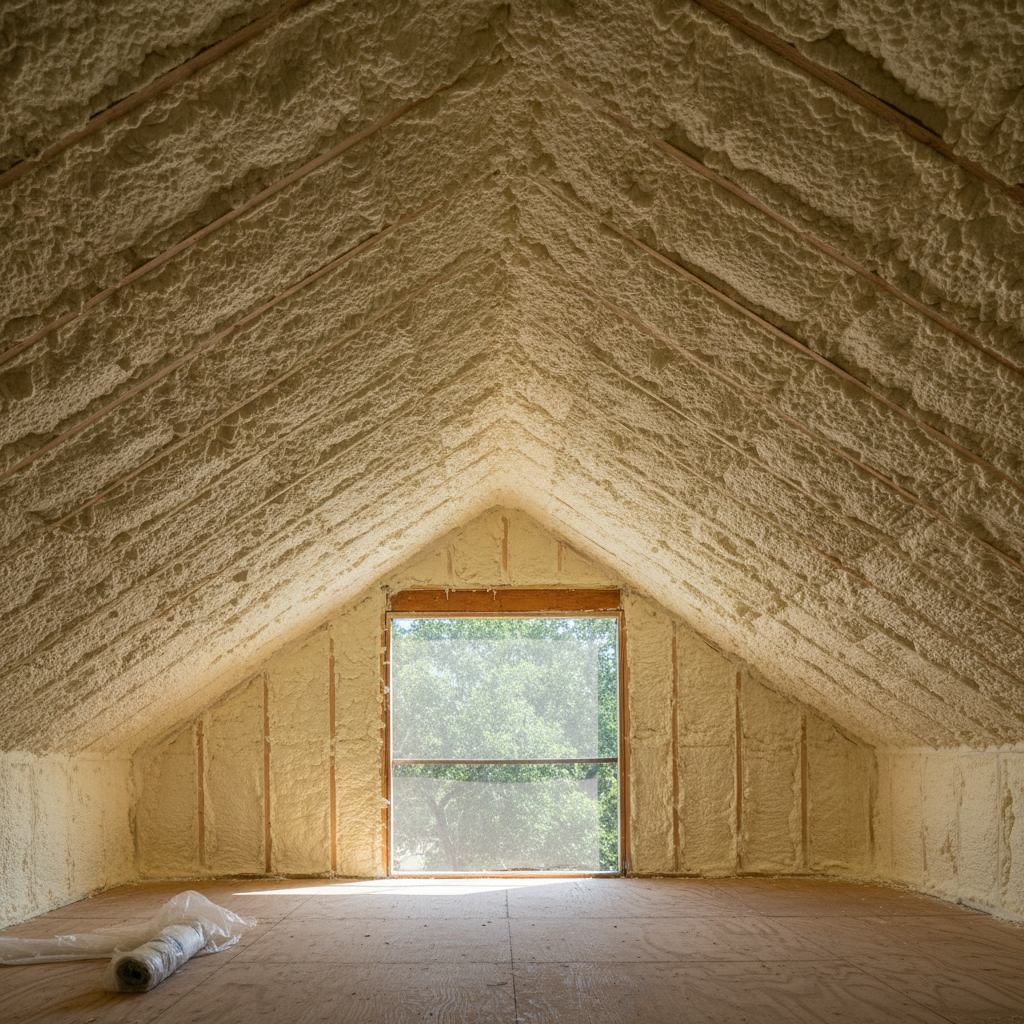
Alright, so you've decided it's time to upgrade your insulation. Maybe your AC just can't keep up with the August heat, or those energy bills are simply ridiculous. Good call, by the way. Insulation is one of the smartest investments you can make in your home. But here's the thing: finding the right contractor isn't always easy. You've got to be smart about it, otherwise you'll end up with a shoddy job, more headaches, and still high bills. I've been doing this a long time here in Round Rock, and honestly, I've seen it all. Let me tell you what you really need to know.
What Questions Should You Be Asking?
Don't just jump on the first bid you get. You need to dig a little deeper. When a contractor comes out to your place, hit them with these questions:
- Are you licensed and insured? This isn't something you can skip. They should carry general liability insurance and workers' comp. Ask for proof, plain and simple. If they can't show it, send 'em packing. You absolutely don't want someone working on your house who isn't properly covered.
- How long have you been in business? Experience really counts here. Someone who's been around for a while, especially in this area, understands our local climate, the common types of homes we have, and what actually works.
- Can you provide references? Any good contractor will be happy to give you a few names of past clients. Call those people! Ask about their experience, if the job stayed on time and on budget, and whether they'd hire them again.
- What specific insulation materials do you recommend for my home, and why? They need to explain their recommendations clearly. This should be based on your home's structure, what insulation you already have, and what you're trying to achieve (like saving energy or soundproofing). Don't let them just say, "Oh, we'll put in some spray foam." You need specifics.
- What's your plan for protecting my home during the installation? Insulation work can get messy. They should have a clear plan for covering floors, protecting your furniture, and cleaning up thoroughly once they're done.
- Do you offer any warranties on your work or the materials? Good materials often come with manufacturer warranties, and a reputable contractor will stand behind their installation.
Decoding the Quote: What to Look For
Once you've got a few quotes in hand, don't just compare the bottom line. That's a rookie mistake, honestly. You need to compare apples to apples. Here's what a good quote should include:
- Detailed Scope of Work: It should clearly say which areas they'll insulate (attic, walls, crawl space, etc.), what kind of insulation they'll use (like open-cell spray foam or R-38 blown-in fiberglass), and the R-value they're aiming for. If it just says "insulate attic," that's not good enough.
- Material Breakdown: Does it list the specific brand or type of material? How many cubic feet of spray foam, or how many bags of blown-in? This helps you understand exactly what you're paying for.
- Labor Costs: Sometimes this is bundled together, sometimes it's separate. Just make sure it's clear.
- Prep and Cleanup: A solid quote will mention how they'll get the area ready and what their cleanup process involves.
- Warranty Information: Any warranties on materials or labor should be spelled out right here.
- Total Cost and Payment Schedule: Obvious, but double-check that it's all there. And don't pay the full amount upfront. A reasonable deposit (maybe 25-50%) is pretty common, with the rest due after they finish and you're satisfied.
Watch out for quotes that are super vague or way lower than everyone else's. That usually means they're cutting corners somewhere, wouldn't you say?
Red Flags You Can't Ignore
Look, trust your gut. If something feels off, it probably is. Here are some definite red flags:
- High-Pressure Sales Tactics: "Sign today for a special discount!" or "This price is only good if you commit right now!" Just walk away. A good contractor doesn't need to strong-arm you.
- Cash-Only Deals: This is a massive red flag. Reputable businesses accept checks or credit cards. Cash-only often means they're trying to avoid taxes or operate off the books, which means you have absolutely no recourse if something goes wrong.
- No Written Contract: Never, ever agree to work without a detailed, written contract. Ever.
- Contractor Asks You to Pull Permits: In Round Rock, proper insulation work, especially spray foam, often needs permits. The contractor should handle all of that paperwork. If they ask you to do it, they're trying to duck responsibility.
- They Show Up in an Unmarked Vehicle: Not always a deal-breaker, but a professional company usually has branded vehicles. It's just another sign of legitimacy, you know?
- They Don't Have a Physical Address: If their only contact is a cell phone number and a P.O. Box, that's a problem. Where do you go if there's an issue later on?
Verifying Legitimacy: Do Your Homework
Okay, so you've got some quotes and you've asked your questions. Now it's time to verify everything. This is how you protect yourself.
- Check Online Reviews: Google, Yelp, Facebook, BBB. Look for consistent patterns, both good and bad. Don't just read the five-star reviews; see how they respond to criticism.
- Verify Licensing and Insurance: Ask for their license number and insurance certificates. You can often call the insurance company directly to verify coverage. For general contractors in Texas, you can check with the Texas Department of Licensing and Regulation (TDLR) for certain trades, though insulation-specific licensing isn't always statewide in the same way. However, a reputable company like Elite Insulation Company will always carry the proper business licenses and insurance.
- Better Business Bureau (BBB): Check their rating and any complaints they might have.
- Ask for Proof of Workers' Comp: If an uninsured worker gets hurt on your property, you could be liable. Don't take that risk.
- Look for a Local Presence: Contractors who are established right here in Round Rock, maybe even have a shop or office in the area, are generally more reliable than someone who's just passing through. We live and work here, so our reputation means everything to us.
Hiring an insulation contractor doesn't have to turn into a nightmare. Do your due diligence, ask the right questions, and don't be afraid to walk away if something just feels wrong. Your home is a big investment, and you deserve a contractor who treats it that way.